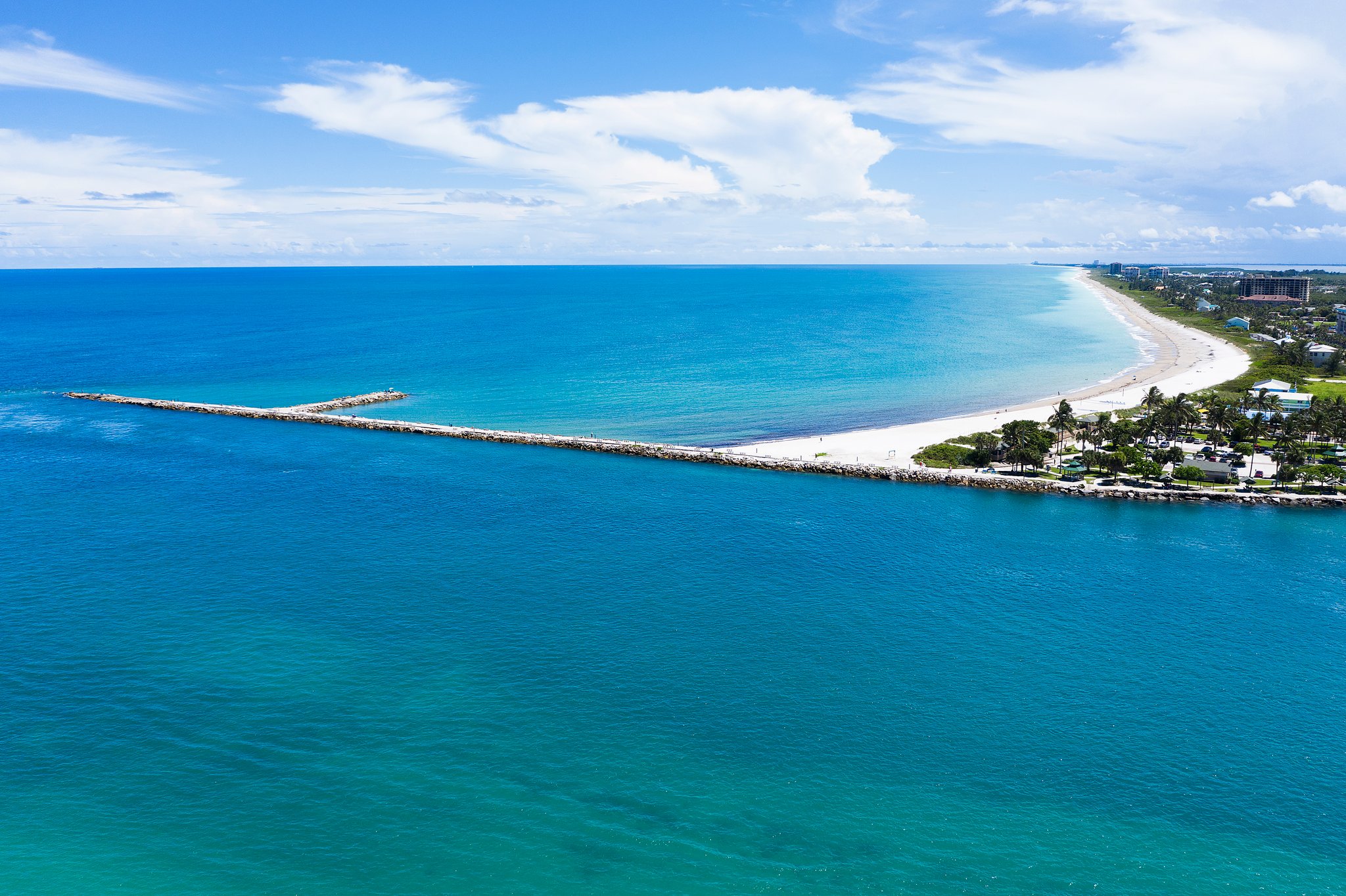
The Waterways of St. Lucie County
St. Lucie County is defined by water in a way few Florida counties can match. The Atlantic Ocean forms the county's eastern boundary, separated from the mainland by the barrier island of Hutchinson Island. The Indian River Lagoon, one of North America's most biodiverse estuaries, runs the length of the Treasure Coast. The North Fork and South Fork of the St. Lucie River provide miles of navigable waterway through the county's interior. Fort Pierce Inlet provides direct, reliable ocean access for boaters. It is widely regarded as one of the safest and most consistent inlets on Florida's east coast.
This geography creates multiple distinct types of waterfront living, each with different characteristics, price points, and lifestyle trade-offs.
Types of Waterfront in St. Lucie County
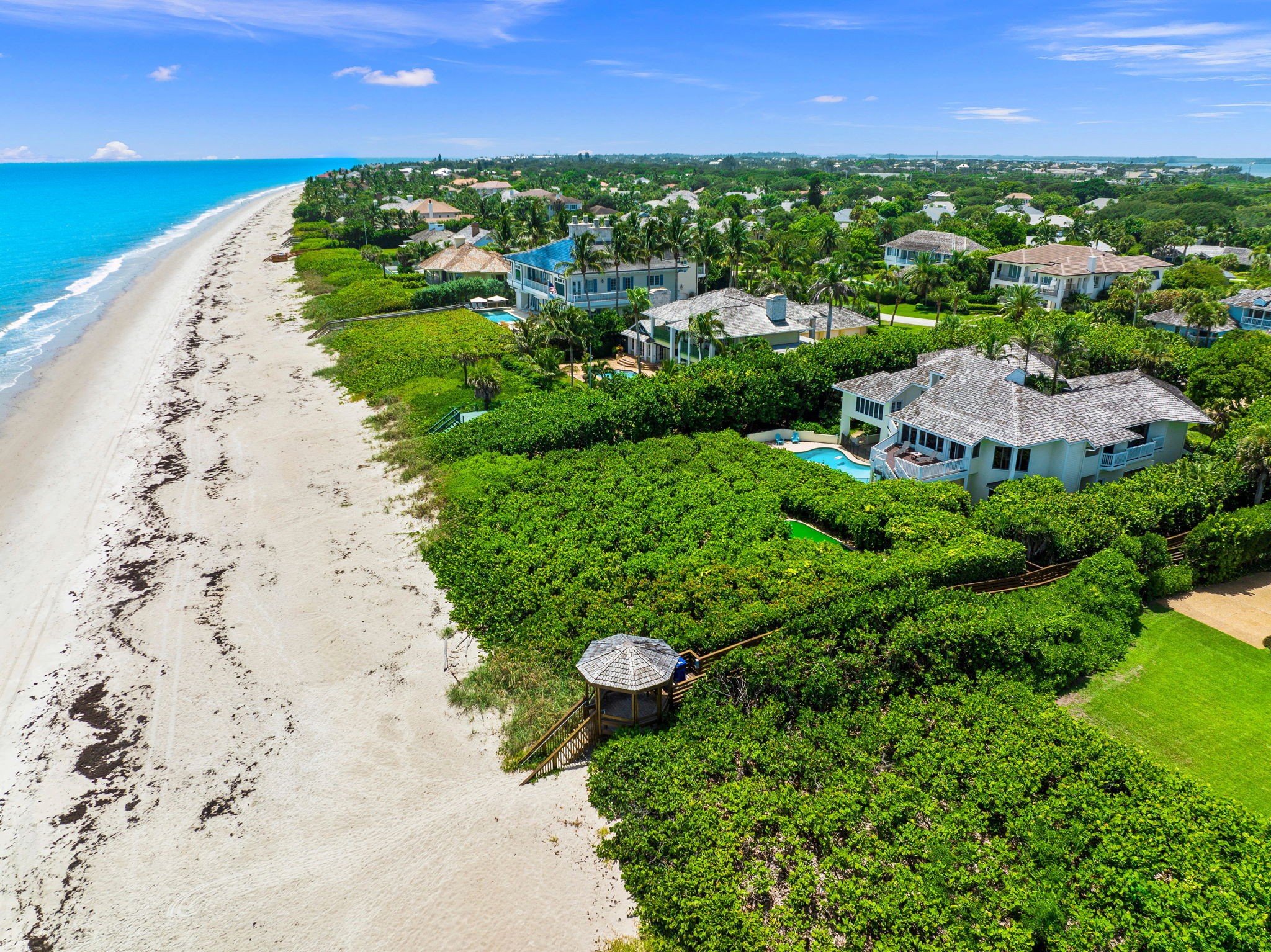
- Oceanfront / ocean view (Hutchinson Island): Direct Atlantic frontage or views. Highest prestige and price point. Limited supply. Condos dominate. Single-family oceanfront homes are rare and expensive. Hurricane and flood exposure is real. Insurance is the #1 due diligence item.
- Lagoon-front (Indian River Lagoon): Properties fronting the Indian River Lagoon on the mainland side of Fort Pierce or in certain PSL waterfront neighbourhoods. The water is calmer than the ocean. Most have boat dock potential and lagoon views.
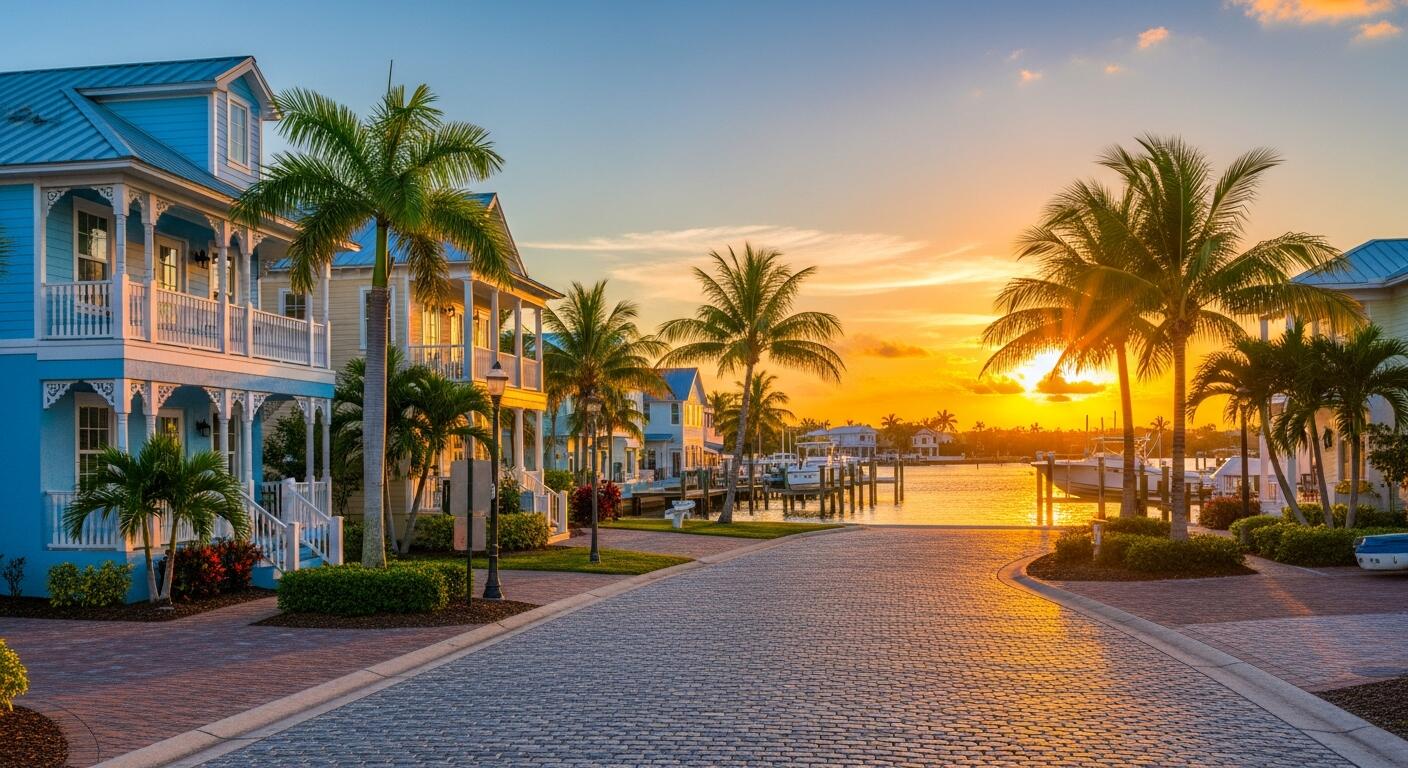
- Deep-water canal with dock (North Fork / South Fork / Canal homes): Single-family homes on navigable canals with private docks. The North Fork of the St. Lucie River has some of the county's best boating-access homes. These properties provide direct boat access to the river and the ICW and ocean.
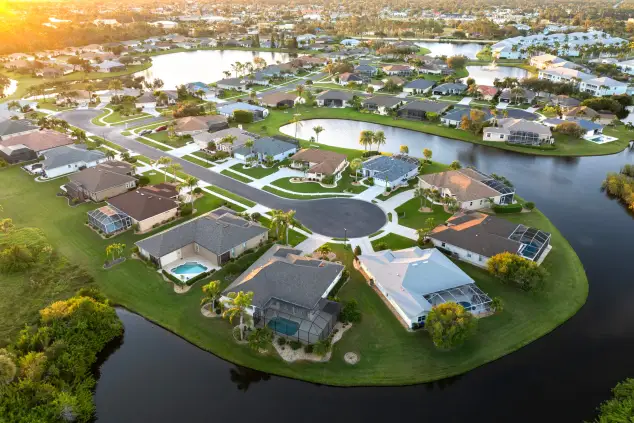
- Lake-front (inland communities): Communities throughout St. Lucie West, PSL, and Tradition have lake-front lots. These offer water views and some have kayak/canoe access, but they do not connect to the ICW or ocean. Price points are lower than river or ocean waterfront.
Fishing: One of Florida's Best Backyards
The Indian River Lagoon is widely considered one of the top backcountry fishing destinations in Florida. Snook, redfish, spotted seatrout, and tarpon are all present year-round and consistently reach impressive sizes in the lagoon system. The shallow-water flats attract dedicated anglers from across the state and beyond.
Offshore out of Fort Pierce Inlet, the Gulf Stream is a relatively short run, closer than at many other east coast Florida inlets. The Treasure Coast calls itself the “Sailfish Capital of the World.” Mahi, kingfish, grouper, and amberjack are all accessible on day trips. Multiple charter operations work out of Fort Pierce City Marina year-round.
Flood Zone Reality Check
Waterfront property in Florida comes with flood zone obligations. Know them before you fall in love with a listing:
- Properties in FEMA-designated Special Flood Hazard Areas (SFHA), Zones AE, VE, AH, etc., with federally backed mortgages are required to carry flood insurance.
- Flood insurance is purchased separately from homeowners insurance, either through the National Flood Insurance Program (NFIP) or a private carrier.
- NFIP's Risk Rating 2.0 prices flood risk based on specific property characteristics, not just flood map zones. Two adjacent properties can have very different flood insurance premiums based on elevation, structure type, and distance from water.
- An elevation certificate, prepared by a licensed surveyor, is the key document for accurate flood insurance quoting. Sellers of waterfront properties should have one. If not, get one during your due diligence period.
- Private flood insurance carriers now offer competitive alternatives to NFIP in many cases. Have your insurance agent quote both.
Get a hard insurance quote, not an estimate, before making any offer on a waterfront property. Angela works with buyers on this regularly and can refer you to experienced insurance agents who specialize in Treasure Coast coastal properties.