The Migration Trend Is Real and Large
IRS migration data consistently shows one of the largest domestic migration flows in the country: residents of New York, New Jersey, Connecticut, Massachusetts, and Pennsylvania moving to Florida. The drivers are well-documented. No Florida state income tax, a dramatically lower cost of living compared to the tristate area, year-round warmth, and real estate prices that look extraordinary by Northeast standards.
Within Florida, the Treasure Coast, and St. Lucie County in particular, captures a real share of this migration, especially buyers in the 55+ and pre-retirement range. The county's master-planned communities feel familiar to buyers from planned New Jersey or Long Island suburbs. Resort-style 55+ communities and genuinely affordable housing compared to Northeast prices round out the proposition.
The Current Market: A Better Window Than You Might Expect
The Treasure Coast market has shifted meaningfully since the 2020–2022 surge. That period of rapid appreciation and competitive multiple-offer situations has normalized. Buyers arriving today face a more balanced environment: more inventory, more negotiation room, and sellers who are priced to sell rather than holding out for peak numbers.
For relocators who spent the past few years watching from the sidelines, the current window is more favorable than recent headlines suggest. Correctly priced properties are still moving. Overpriced ones are sitting. An experienced local agent can tell the difference immediately and negotiate accordingly on your behalf.
What Drives the Move
- State income tax elimination: New York state income tax runs up to 10.9% for high earners. New Jersey reaches 10.75%. Connecticut 6.99%. For retirees with substantial pension, Social Security, or investment income, establishing Florida residency can mean tens of thousands of dollars annually in tax savings. Zero state income tax is not a minor benefit. For many buyers, it changes their retirement math.
- Real estate value: A comparable home to what buyers own in Westchester County, Long Island, northern New Jersey, or Fairfield County typically costs 40–70% less in St. Lucie County. Buyers who have spent 20–30 years building equity in expensive Northeast markets can often convert that equity into a Florida home and eliminate the mortgage entirely.
- Climate: Winters in St. Lucie County average in the 60s–70s. For buyers with health conditions affected by cold, the shift from New York winters is transformative.
- Cost of living: State and local taxes, groceries, utilities, and general cost of living are all lower in St. Lucie County than in the New York metro area.
The Treasure Coast vs. Other Florida Destinations
Northeast buyers look at multiple Florida destinations. Here is how St. Lucie County compares:
- vs. Naples / Fort Myers / Sarasota: The Gulf Coast has higher real estate values for comparable properties and is farther from the Northeast, meaning longer flights and harder drives back. The Treasure Coast's proximity to I-95 and PBI airport makes it more practical for buyers who expect regular trips back to family or medical providers.
- vs. Tampa / Orlando area: The Tampa-to-Ocala-to-Gainesville corridor offers affordability but a different lifestyle: less beach, less water, different community character. Many Northeast buyers who want coastal access land on the Treasure Coast instead.
- vs. Palm Beach County: Jupiter, Palm Beach Gardens, and Boca Raton attract Northeast buyers but have gotten expensive. St. Lucie County offers similar lifestyle attributes, particularly in Tradition, at lower prices.
- vs. The Villages (Sumter County): The Villages is the largest 55+ community in the world and draws heavy Northeast migration. For buyers who want the active adult model but also want coastal access, Atlantic beaches, and boating, St. Lucie County is the stronger choice.
What's Different. Be Prepared.
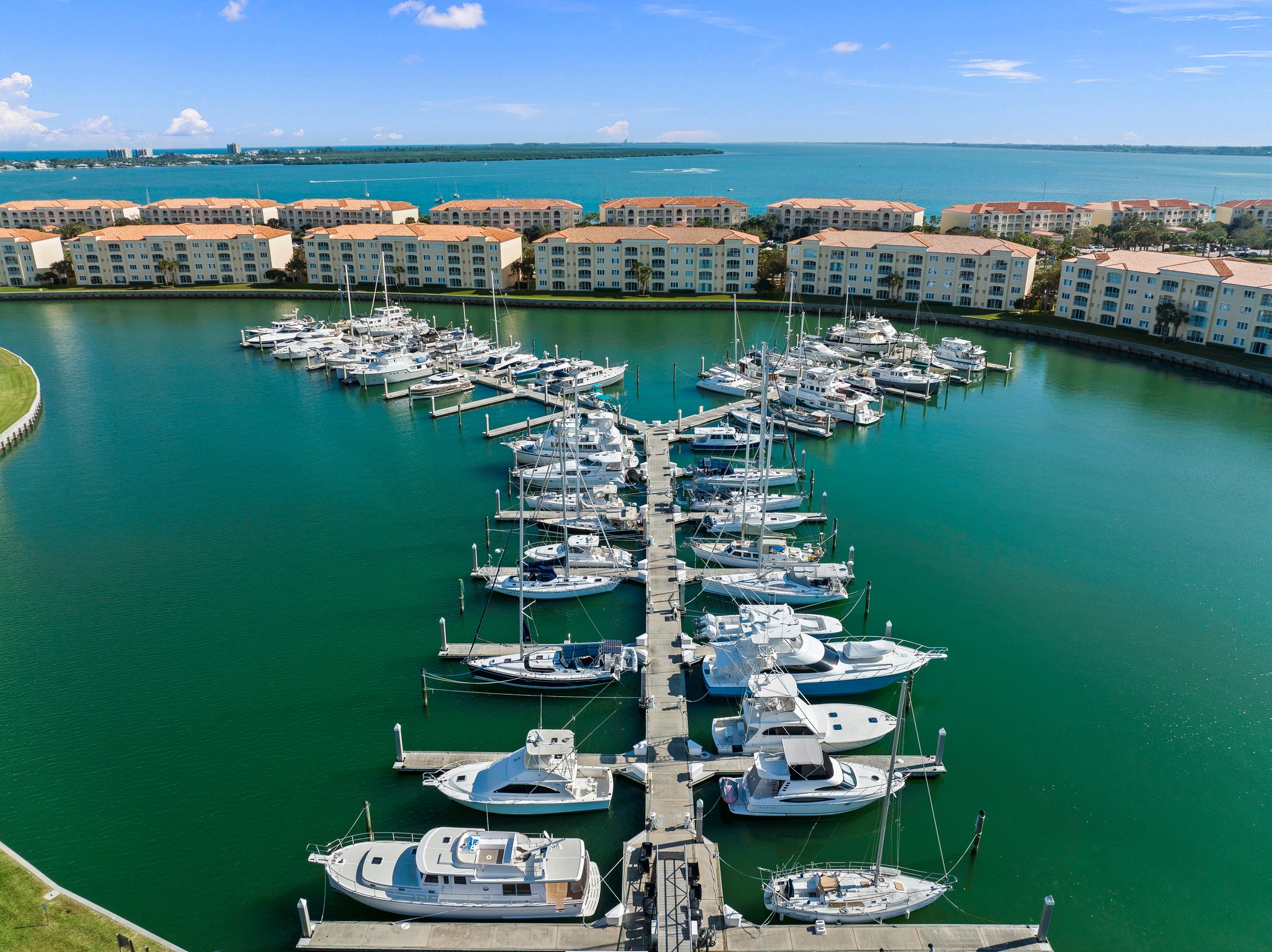
Northeast buyers who thrive in St. Lucie County embrace a genuinely slower pace of life. The county's restaurant scene and cultural event calendar do not match New York City, and they are not supposed to. The trade-off is direct beach access, a fishing boat in the backyard, 300 days of sunshine, and a monthly carrying cost that is a fraction of what it was back home.
Hurricane season runs June through November. St. Lucie County is in a hurricane-prone region, and buyers should understand hurricane shutters, storm preparation, and the basics of Florida homeowner and flood insurance before purchasing. The county has not taken a direct major hurricane hit in recent history, but storm preparedness is not optional here.
Summer heat and humidity from June through September are real. Many Northeast relocators start as seasonal residents and then find that the community, amenities, and Florida lifestyle pull them toward full-time residency. A quality home cooling system and a few extra beach trips tend to solve the summer equation for most buyers.
What to Budget Beyond the Purchase Price
Northeast buyers consistently underestimate Florida's monthly carrying costs. The purchase price is only part of the equation. Getting a clear picture of true monthly cost — mortgage, taxes, HOA fees, and insurance — before you fall in love with a property is one of the most important steps in a Florida search.
- Homeowner insurance: Florida's wind and hurricane exposure means premiums are higher than most Northeast buyers expect. Rates vary significantly by construction year, roof condition, and location. Get an insurance quote early in the process — before you make an offer, not after.
- Flood insurance: Properties in designated flood zones require separate flood coverage on top of standard homeowner policies. Not every property requires it, but flood zone designation affects both your monthly cost and lender requirements. Verify early.
- HOA fees and condo reserves: Florida has strengthened requirements around condo structural integrity inspections and association reserve funding. If you're considering a condominium, review the association's reserve status, recent milestone inspection history, and overall financial health. Well-managed associations remain solid investments — but not all are equally well-managed.
- CDD assessments: Newer master-planned communities, including parts of Tradition, carry Community Development District fees that sit on top of HOA fees. These don't always appear prominently in listing data. Always verify the complete carrying cost before comparing properties.